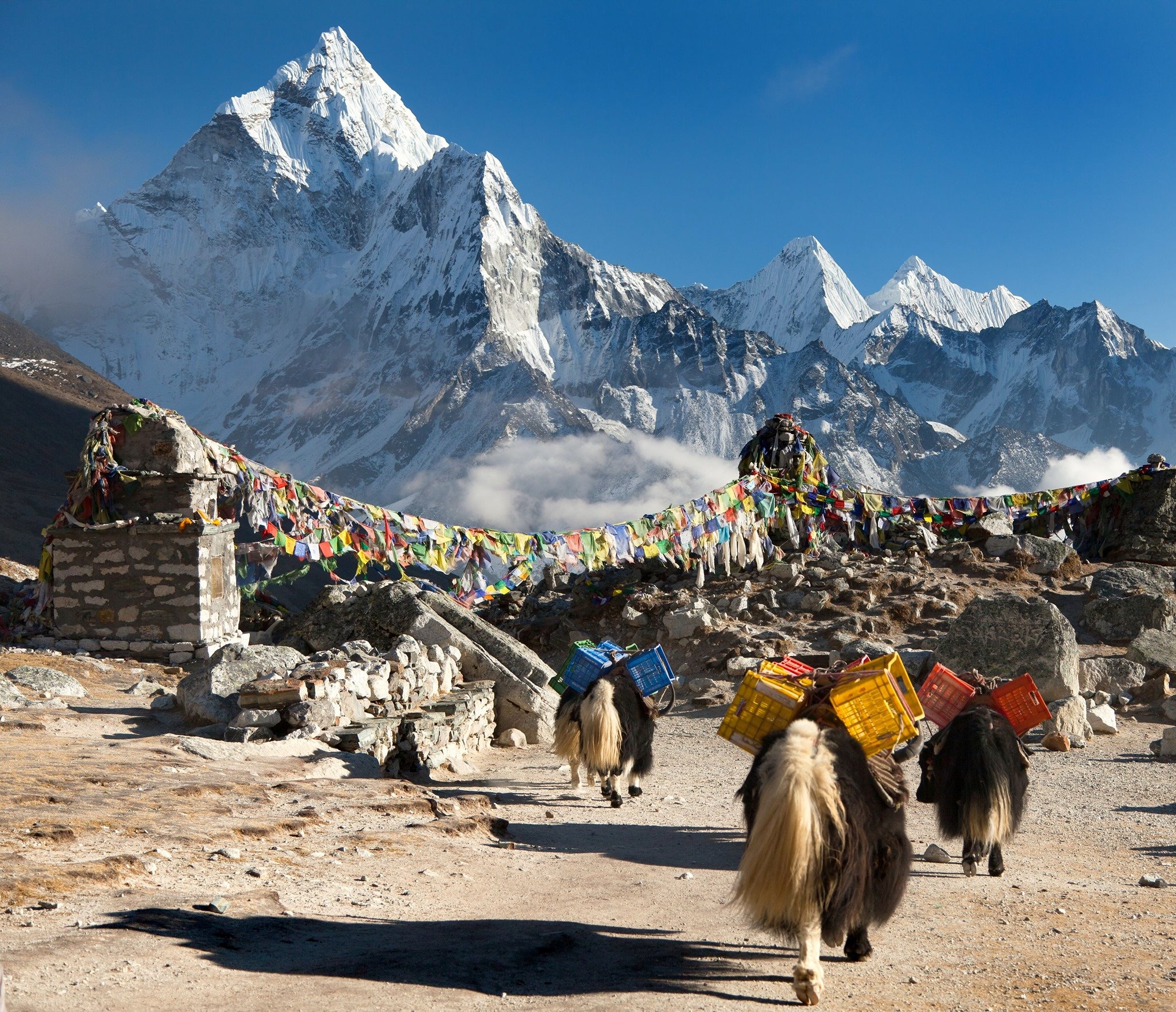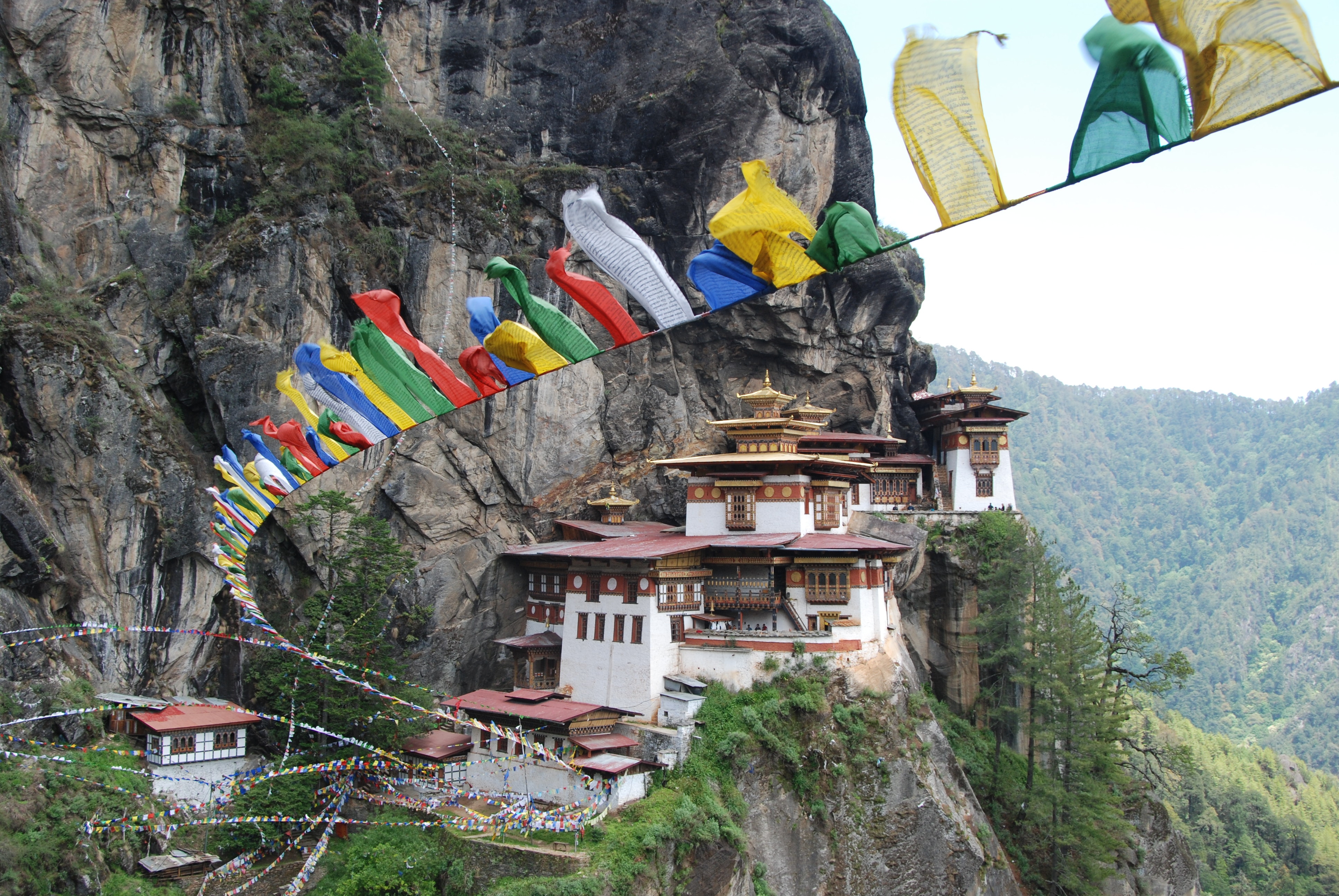
We provide a range of trekking and adventure tours including classic routes like Everest Base Camp, Annapurna Circuit, Manaslu Circuit, Langtang Valley, etc. as well as culturally rich treks in Bhutan and Tibet.
Yes — all our trekking itineraries are fully customizable based on your preferences, fitness level, travel dates, and budget.
Typically: airport/hotel transfers, permits, guide & porter services, accommodation on trek, meals as per itinerary, and emergency support (see specific trek for details).
International flights, travel insurance, personal gear, visa fees (if applicable), and personal expenses unless stated otherwise.
You can book through our online booking form, email, or phone. Once we receive your request, we’ll send a detailed proposal and deposit instructions.
We accept bank transfers, online payments, and other methods as agreed in your booking confirmation.
Yes — a deposit is required to confirm your trek. The remaining balance is due before your trek start date.
Trekking in the Himalayas requires moderate fitness. If you can hike hills for 4–6 hours comfortably and maintain a steady pace, you’ll be well-prepared. We also recommend light training before arrival — walking, stair climbing, or cardio exercises.
Good quality trekking boots, layered clothing, rain gear, warm jacket (for higher-altitude treks), sleeping bag (if required), and personal essentials. We’ll provide a detailed packing list once your trek is confirmed.
Yes — travel insurance with coverage for medical evacuation, helicopter rescue, and high-altitude trekking is mandatory for safety.
Yes — all treks come with experienced local guides and porters (depending on group size and itinerary). Having a guide is highly recommended for safety, navigation, and cultural insight.
Yes — Nepal, Bhutan, and Tibet treks require region-specific permits. We handle permit arrangements on your behalf.
Our guides are trained in altitude sickness awareness. If you or anyone in the group shows signs of difficulty, we adjust plans or arrange descent. Emergency helicopter evacuation can be arranged as needed with proper insurance coverage.
We recommend arriving at least one to two days before your trek start to rest and attend briefing sessions with our team.
Our representative will meet you at the arrival point and assist with your transfer to the hotel.
Yes — we can assist with domestic flights, ground transport, and logistics required for your trek.
Meals typically include locally available options — dal-bhat, soups, noodles, rice dishes, and tea/coffee. Special diets (veg/vegan/gluten-free) can be accommodated with advance notice.
Accommodation is usually in teahouses/lodges with basic facilities. For premium treks, upgraded lodges/tea houses can be arranged.
Please consult your doctor before travel. Recommended vaccines often include Hepatitis A, Tetanus, and routine immunizations.
Yes — trekking is generally safe, but conditions can change with weather and terrain. Our guides are trained to ensure safe progress, proper acclimatization, and route choice. Always follow their advice.
Yes — most nationalities can obtain a visa on arrival at Kathmandu airport. Bring passport photos and payment in USD or local currency.
Bhutan: Visa must typically be arranged in advance through a licensed tour operator, we can assist you for the same as well Tibet: Requires special permits, and typically needs to be arranged before arrival, we can assist you for the same as well
Carry some USD or local currency of the selected destination for personal expenses, tips, and purchases on the trail. Credit cards aren’t widely accepted on trek routes.
Do not drink tap or stream water. Bottled or treated boiled water is recommended during the trek.
Tipping is not mandatory but appreciated — for guides, porters, drivers, or service staff who go above and beyond.
Respect local customs, dress modestly, always ask before photographing, and be polite to community hosts you meet along the trail.