

 Package Overview
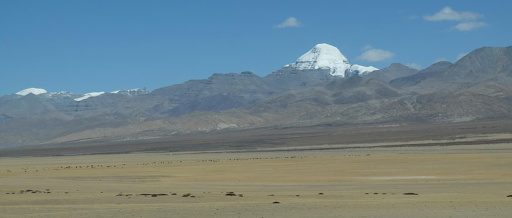
Epicenter of Energy (Chakra), it is believed that Mt. Kailash is the one of the four chakra (Epicenter) and source of energy, Holy to Hindu, Tibetan and many community around the world. Mt. Kailash is attracting people around the world for many reasons such as its natural beauty, myth & mystery and faith. Each of Kailash’s four sheer walls lie-gem likes along the four cardinal points of the compass and that’s not all!! /known as the “Navel of the World”, Kailash is located at the key point to the drainagesystem of the Tibetan plateau. From Kailash flow the four most sacred rivers of the subcontinent. The Karnali river flows from the south, “Sapphire, face of Kailash", feeding into the Ganges as it rushes through the Himalayas. The Yarlung Tsangpo (Brahmaputra) flows from the eastern, “Crystal" face along the entire breadth of the Himalayas until it passes through the mountains into Bangladesh, empty-like the Ganges-into the Bay of Bengal. The Indus River, whose fertile banks saw the birth of ancient Indian civilization, flows west and then south through Pakistan, from the northern God face? The Sutlej also flows west into Pakistan from the western, ‘Ruby” face of Kailash, eventually flowing, like the Indus, into the Arabian Sea. The two pairs meet the ocean more than 2,000km apart. Such symmetry is truly amazing-indeed holy. Tour begins with acclimatization in Lhasa at the altitude of 3600m visiting monasteries and Palaces. Later overland journey to Kailash spending overnight in various cities and villages en-route until you reach Darchen (base camp of Mt. Kailash) where you prepare for the trekking clockwise around the Kailash, you will be lead by our experience
 Trip Itinerary
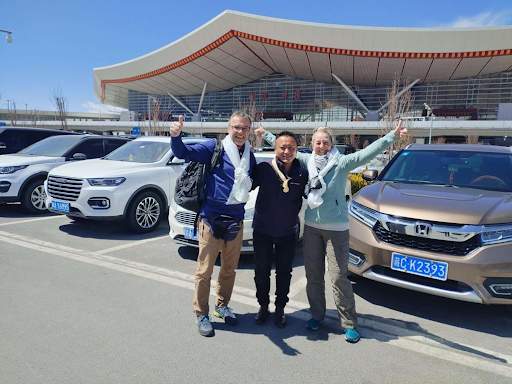
Your Tibetan guide will be waiting to welcome you at Gongkar Airport. After immigration formalities, you will drive for around 45 minutes to reach the old city, Lhasa (3660 meters). After checking in at your hotel, you are advised to take rest, drink plenty of fluids and most importantly let your body get used to Lhasa’s high altitude. During afternoon you can go around the hotel area for light walk and sightseeing. O/N at Hotel in Lhasa (BB)
After breakfast you will be briefed in detail about the program and entertain last minute questions. Then your guide will take you on a tour to Drepung Monastery & Sera Monastery respectively
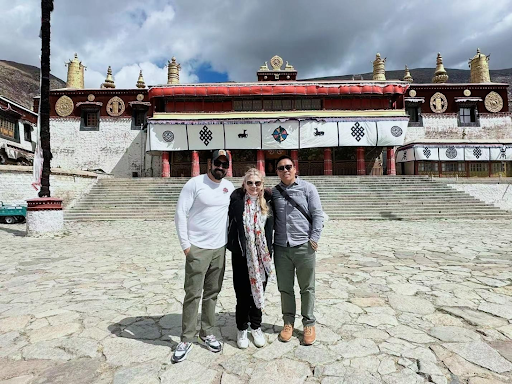
Drepung Monastery: This Monastery is 8 km west of Lhasa. One of the three great Gelukpa Monasteries near Lhasa, the other two being Sera and Ganden. Until the occupation it served like its two sister monasteries as centre for learning and monastic training to which monks from all over Tibet would come to spend as long as 15 years methodically studying and debating the meaning of the Buddhist scriptures. For centuries it existed as a small monastic township housing thousands of fully ordained monks and other functionaries. It was founded in 1416 by Jam yang Chöje Tahsi Palden, a disciple of Tsong Khapa.
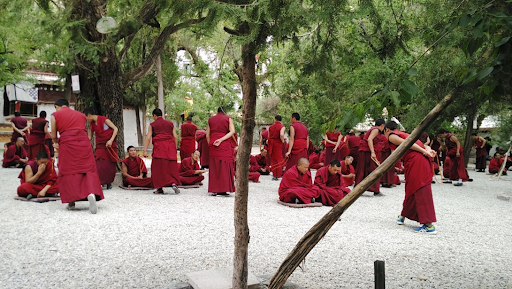
Sera Monastery: This monastery is approx. 5km drive away from Lhasa. Sera Monastery was founded in 1419. It sits in the prettiest and most charming atmosphere at the base of Mount Purbuchok. Sera Monastery used to be an important center for learning where in the past approx. 5,000 to 6,000 monks resided. Currently about 550 monks are supposed to be living there. The important structures inside the monastery include Coqen Hall, (the main assembly hall), three Zhacangs (Buddhist colleges) and twenty-nine Khangtsens (monk dormitories).The most intriguing feature here is the nine-meter image of Maitraya which was erected in 1419; here one can also witness the practicing of debate among the monks, who pitch their knowledge against each other. This day at Drepung and Sera Monastery offers you the opportunity to dive deep into Buddhist culture and monastic life. You will experience the serenity and spiritual devotion at Drepung Monastery and the passion and dynamism of the debates at Sera Monastery – two sides of the same spiritual tradition that makes Tibet so unique. After detail visit you will drive to hotel. O/N at Hotel in Lhasa (BB)
After breakfast you will be briefed about the day’s program. Then your guide will take you on a tour to majestic Potala palace, Jokhang Temple & Barkhor Market respectively.
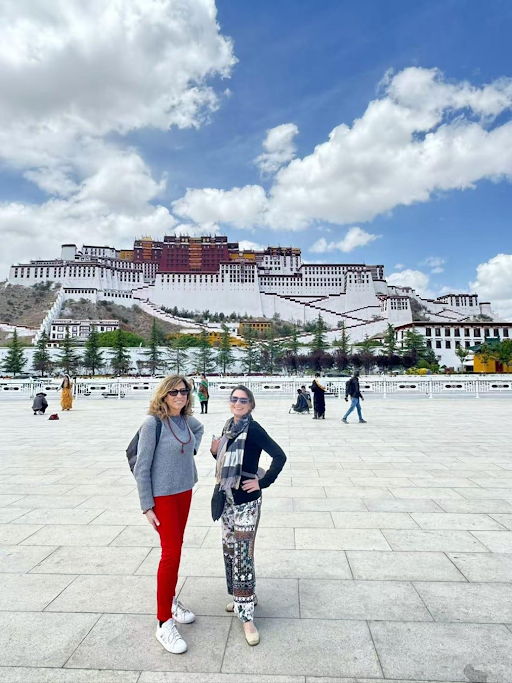
The Potala Palace is a remarkable and iconic structure in Lhasa, Tibet, often regarded as one of the most significant symbols of Tibetan Buddhism. As the “winter palace” of the Dalai Lamas, it is an awe-inspiring piece of architecture, perched atop Marpo Ri Hill at an elevation of 3,700 meters (12,100 feet). The Potala Palace is a 13-story building that rises to a height of 117 meters (384 feet). The palace complex consists of over 1,000 rooms and is home to about 10,000 shrines and 200,000 images of Buddha. Its construction began in the 7th century under the reign of the Tibetan King Songtsen Gampo and continued over several centuries. As you wander through the palace, you’ll be immersed in the artistry of Tibetan culture. The walls are adorned with stunning murals and paintings that depict religious stories, gods, and Tibetan history. These artworks reflect the deep spiritual and artistic traditions of Tibet. The Potala Palace houses the tombs of eight Dalai Lamas, each intricately decorated. The tombs are monumental and represent the reverence for the Dalai Lamas, who are the spiritual leaders of Tibetan Buddhism. Due to the large number of visitors and the sacred nature of the palace, tourists are given only one hour to explore the palace. This limited time ensures the preservation of the palace’s integrity while allowing enough time to appreciate its grandeur. The Potala Palace is not just an architectural gem but also a living testament to the rich cultural and spiritual heritage of Tibet. When visiting, it’s important to dress appropriately and maintain a respectful demeanor as it is a deeply revered site for Tibetans and Buddhists around the world.
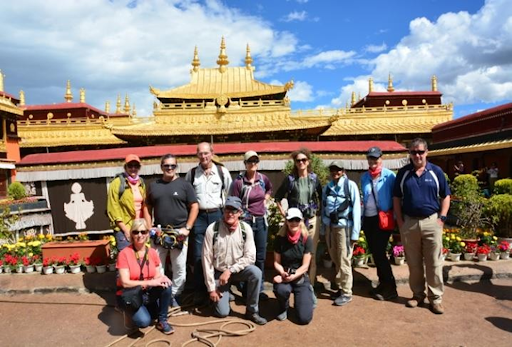
The Jokhang Temple is one of the most revered and spiritually significant sites in Tibet, often considered the "heart of Lhasa" and the most sacred temple in all of Tibet. Located in the center of Lhasa, it holds great historical, cultural, and religious importance for Tibetan Buddhists. The Jokhang Temple was founded in the 7th century by King Songtsen Gampo of Tibet, who was instrumental in the establishment of Buddhism in Tibet. It was built to house the Jowo Shakyamuni Buddha statue, one of the most revered Buddhist icons in Tibet. The temple's foundation is also closely linked to Queen Bhrikuti, a Nepalese princess who married King Songtsen Gampo. As a devout Buddhist, she played a significant role in spreading Buddhism in Tibet. In recognition of her influence, the main gate of the temple faces west towards Nepal, symbolizing the connection between the two regions. The Jokhang Temple is often referred to as a "Power Place," a term used to denote places of immense spiritual energy. Pilgrims from all over Tibet and beyond journey to the temple, as it is considered one of the most important pilgrimage sites in Tibetan Buddhism. Its importance is reflected in the reverence with which it is regarded by Tibetans and Buddhists globally. The temple’s architecture is a blend of Indian, Nepalese, and Tibetan styles, making it a unique example of Tibetan Buddhist architecture. The temple’s layout features multiple levels, intricate woodwork, and beautifully designed golden roofs. The most impressive feature of the Jokhang Temple is the many chapels that surround the central temple. These chapels are dedicated to various deities, bodhisattvas, and Buddhist figures, and they house countless statues, murals, and relics. The most revered is the Jowo Shakyamuni Buddha statue, believed to have been crafted during the lifetime of the Buddha. The Jokhang Temple is not just a place of worship but also a cultural hub. It serves as a spiritual center for Tibetans and attracts devotees from all over the world. The temple’s courtyard, with its vibrant prayer flags and bustling activity, is a scene of continuous devotion and prayer. The Jokhang Temple holds a deep place in the hearts of Tibetans, and visiting it offers a profound experience for those seeking to connect with the spiritual essence of Tibet. It is often a highlight of any journey to Lhasa and an essential part of Tibet's rich religious and cultural heritage.
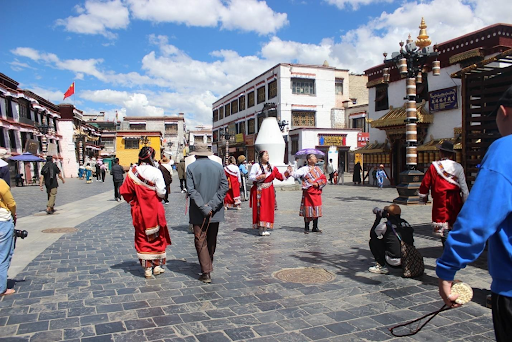
The Barkhor Market (Bazaar) is a vibrant and culturally rich area located in the heart of Lhasa, surrounding the Jokhang Temple. It is one of the most famous spots in Lhasa, offering an authentic Tibetan market experience where the traditional and modern worlds collide. Here's what you can expect from your visit to this lively and historic market: The Barkhor is not just a market but also a pilgrimage route for Tibetan Buddhists. Pilgrims walk around the Jokhang Temple, turning the prayer wheels and offering prayers as they make their way through the narrow, winding streets. This sacred circuit, known as a "Kora," is an essential part of spiritual practice in Tibet. The Barkhor Market is full of life and energy. As you stroll through the cobbled streets, you'll encounter a colorful mix of market stalls, pilgrims, tourists, and street performers. The sounds of prayer wheels spinning, chants, and bustling market activities create a unique atmosphere that reflects the deep spirituality and vibrant culture of Tibet. The market is a treasure trove of Tibetan handicrafts and souvenirs. You’ll find stalls selling:
• Handmade jewelry: Intricately designed silver and turquoise pieces, often featuring traditional Tibetan
motifs.
• Prayer wheels: Small hand-held prayer wheels, which are an important part of Tibetan Buddhist practice.
• Religious artifacts: Statues of Buddha, Tibetan thangkas (religious paintings), and prayer beads.
• Traditional fabrics: Colorful Tibetan fabrics, carpets, and shawls.
• Tibetan spices and teas: Taste the flavors of Tibet with spices or bring home some Tibetan butter tea mix.
The market also offers an authentic taste of Tibetan cuisine. You can taste local Tibetan specialties such as momos (dumplings), thukpa (noodle soup), and yak butter tea at the food stalls. The food here is a wonderful way to immerse yourself in Tibetan culture, as many of the dishes have been passed down through generations. The restaurants in and around the Barkhor Market also offer a variety of Tibetan and Chinese cuisines, perfect for a relaxing lunch or dinner after your day of exploration. The market is a great place to haggle with local vendors. The experience of bargaining for Tibetan crafts or religious items adds to the authenticity of your visit. Don't be shy to negotiate, as it's part of the fun and tradition in Tibetan markets. The Barkhor Market is more than just a shopping experience; it offers an authentic insight into daily life in Lhasa. Watching the pilgrims, interacting with the local vendors, and observing the local customs will give you a deeper appreciation of Tibetan culture and spirituality. Whether you're shopping or simply taking in the sights and sounds, the market offers a lively and enriching experience.
After visiting the Potala Palace and Jokhang Temple, taking a stroll through the Barkhor Market is the perfect way to soak in the energy of Lhasa. It's a blend of tradition, culture, and commerce, where the old and new come together in a truly unique atmosphere. Whether you're looking for souvenirs, local food, or simply a place to enjoy the sights and sounds of Lhasa, the Barkhor Market offers an unforgettable experience! After detail visit, you will drive to hotel. O/N at hotel in Lhasa (BB).
After breakfast, we depart from Lhasa for Gyantse, covering a distance of approximately 280 km in about 5 hours. The journey takes us over two spectacular high mountain passes: Kampa La (4,750m) and Karo La (5,010m), offering breathtaking views of the Tibetan Plateau. En route, we will drive alongside the stunning Yamdrok Lake, also known as the Turquoise Lake, famous for its deep blue-green waters and pristine natural beauty. Upon arrival in Gyantse, an ancient Tibetan town set against the backdrop of magnificent 14th–15th century fortresses and temples, we will visit the Pelkhor Chode Monastery and the remarkable Khumbum Stupa, known for its exquisite architecture and spiritual significance
Pelkor Chöde: This Monastery is located in the northeast of Gyantse at 3900 meters above sea level. Pelkor Chode Monastery, or rather Palcho Monastery in Tibetan language means "auspicious monastery". It was first built in early 15th century and took 10 years to complete. Because it was built when different religious sectors conflicted neck and neck in Tibet, Sakyapa, Kadampa and Gelukpa of Tibetan Buddhism coexist in it. Each religious sector has five to six "Dratsang" (schools) in the monastery. This Monastery occupies a stunning position in the history of Tibetan Buddhism. It features a mixture of pagoda and monastery, whose
architectural style reflects the typical feature of monasteries in between late 13th century and mid 15th century. The most symbolic architecture in the monastery is the Kumbum Stupa, which is composed of nine layers of nearly 77 temple halls with a total of 10,000 Buddha statues in halls, niches and on murals, hence the nickname "Ten Thousand Stupa". Pelkor Chode Monastery is also noted for its distinctive sculptures and murals.
Kumbum: Gyantse Kumbum Chorten was commissioned by a Gyantse prince in 1427 and it is the town’s main attraction. The 35 meters high chorten, with its white layers trimmed with decorative stripes and its crown-like golden dome, is awe-inspiring. The interior is equally impressive. Kumbum means 100,000 images in Tibetan. Indeed, there is what seems to be an endless series of tiny chapels. Each chapel is decorated with wall paintings; some have various statues of Buddhas, Bodhisattvas and deities. Most paintings date to the time of the construction of the stupa.There are nine levels, 108 cells and 75 chapels. At the higher levels you can go out to an outdoor terrace and enjoy an incredible view on the town, monastery and surrounding fort.
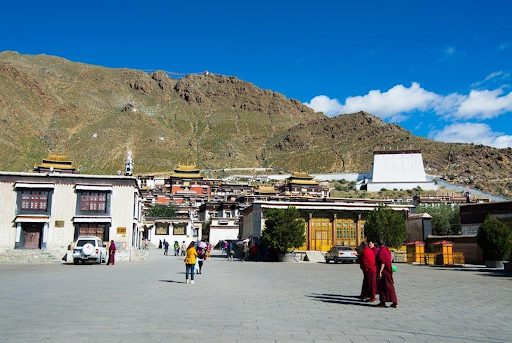
After breakfast you will drive to second largest city of Tibet, Shigatse. Here you will visit Tashilumpho monastery. This monastery is one of the largest functioning monasteries in Tibet and there is much to explore within its high surrounding walls. There are about 39 amazing chapels inside including the huge Maitreya Chapel coated with gold; its workmanship certainly impresses everyone.After detailed visit of Shigatse, we will visit the local markets for shopping and local sightseeing. After detail visit you will drive to hotel. O/N at hotel in Shigatse (BB)
After breakfast, begin your journey from Shigatse to Saga. You will drive along the scenic Friendship Highway, passing through beautiful landscapes, high mountain passes, and open plains. The first part of the drive (about 3 hours) takes you through remote areas where you’ll see traditional Tibetan nomads with their herds of yaks and sheep. This is a great opportunity to witness rural Tibetan life and the vast, open grasslands of the plateau. Continue driving towards Saga, stopping occasionally for rest and toenjoy the natural beauty. You’ll arrive in Saga by evening, where you’ll check into your hotel and rest for the night. O/N at hotel in Saga (BB)
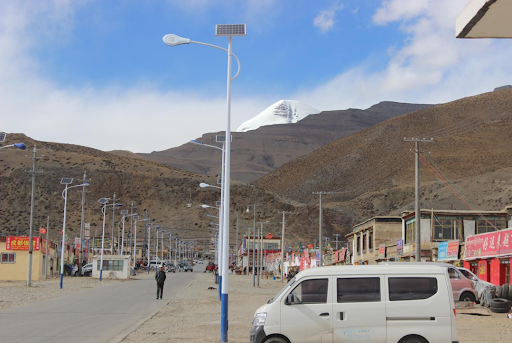
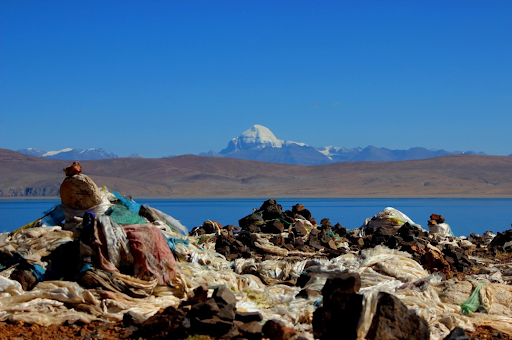
After breakfast, continue your journey towards Darchen, the gateway to Mount Kailash. Today is one of the longest travel days, covering over 500 km across the expansive Tibetan plateau. The first leg of the journey takes you to Paryang, approximately 450 km from Saga, offering ever-changing landscapes of high-altitude desert, grasslands, and distant snow-capped peaks. From Paryang, the road leads across open plains to the sacred Lake Mansarovar, situated just 30 km south of Mount Kailash. As you approach this breathtaking lake, the historic Chiu Monastery comes into view on its northwestern shore. From here, you may catch your first glimpse of the majestic Mount Kailash, a deeply revered spiritual site for several faiths. The serenity and spiritual aura of this sacred region are truly moving. Following a brief stop at Lake Mansarovar, drive an additional 30 km to reach Darchen, the starting point for your Mount Kailash trek. Overnight at Guest House in Darchen (Bed & Breakfast basis).
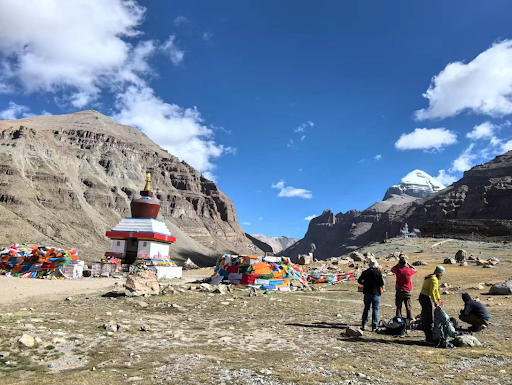
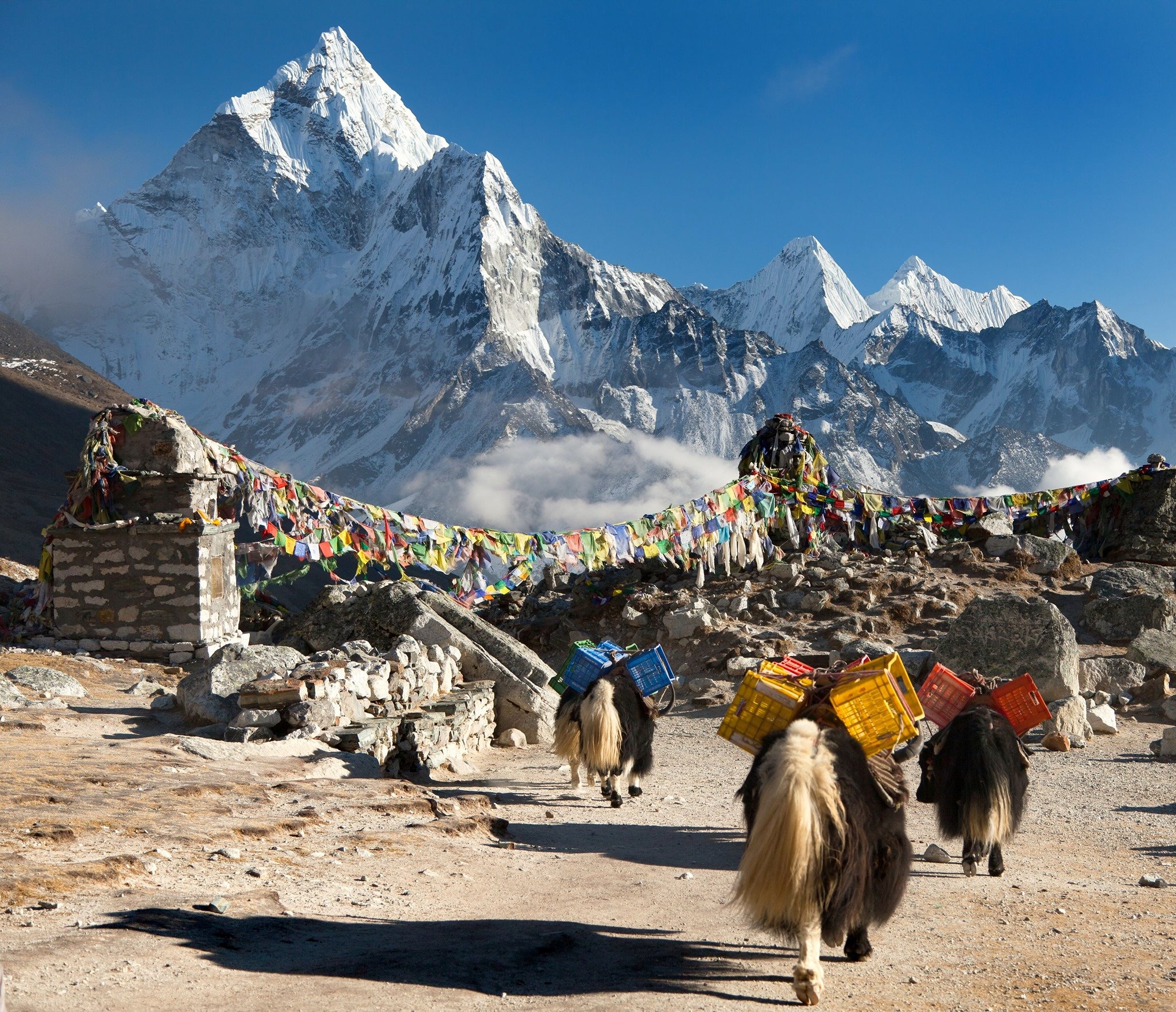
After breakfast, drive to Tarpoche, approximately 50 km from Darchen. Tarpoche marks the starting point of the Kailash Kora (pilgrimage circuit) and serves as the base camp for this sacred journey. At Tarpoche, you will meet your team of Tibetan yak handlers and yaks, who will accompany you throughout the Kora, carrying your belongings. From here, begin your 6–7 hour trek through a breathtaking landscape of verdant meadows, sparkling streams, and the stunning Lha Chu Valley. As you walk along the trail, the turquoise Lha Chu River flows through a narrow gorge, flanked by high, steep cliffs. Along the way, you’ll be rewarded with your first clear view of the north face of Mount Kailash, an awe-inspiring sight revered by pilgrims and trekkers alike. The day’s trek ends at the 13th-century Dirapuk Monastery, located at the foot of Mount Kailash. The setting here is peaceful and profoundly spiritual, offering incredible views of the holy mountain. Overnight at Guest House in Dirapuk (Bed & Breakfast basis)
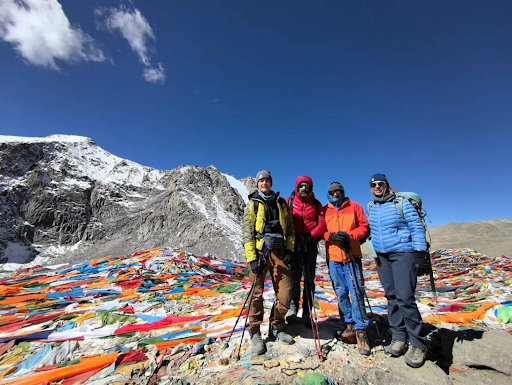
After an early breakfast, you begin the second and most challenging day of the Mount Kailash Kora. Departing from Dirapuk Monastery, the trail leads you through a gradual ascent along the Lha Chu Valley, which soon fades as the path veers into the Drolma Chu Valley. The climb toward Dolma La Pass (5,630m) is steep and demanding, but deeply rewarding—both spiritually and visually. At the top of the pass, you’ll be greeted by fluttering Tibetan prayer flags, vibrant and colorful, symbolizing peace, compassion, and wisdom. Near the summit lies Thukje Dzingbu (Lake of Compassion), a small yet sacred glacial lake believed to cleanse the sins of pilgrims. This moment is often a highlight of the Kora, marked by reflection, prayer, and profound serenity. From the pass, the descent is steep and can be slippery, often with loose stones or snow, depending on the season. Trekking poles are strongly recommended here. The trail then gradually levels out, following the Zuthul Chu River, with a backdrop of high, rugged cliffs and open plains.
Eventually, you reach Zuthulpuk (4,790m), known for its monastery and meditation caves. Among them is the revered Milarepa’s Cave, where the great Tibetan yogi is believed to have meditated. Pilgrims believe his footprints and elbow prints are embedded in the cave’s stone walls, surrounded by Mani stones inscribed with sacred prayers. After a long but spiritually fulfilling day of trekking, you arrive at your guest house in Zuthulpuk for a well-deserved rest. Overnight at Guest House in Zuthulpuk (Bed & Breakfast basis).
After breakfast, begin the final leg of your Kailash Parikrama (Kora). Today’s trek is relatively easy, with a gentle descent through a serene and picturesque valley. The walk takes approximately 4–5 hours, allowing time to reflect on the spiritual journey you’ve completed. At the end of the trail, your vehicle will be waiting to transfer you to Lake Mansarovar, just 30 km away, a drive of around 30 minutes. Upon arrival at Lake Mansarovar, the holiest lake in Tibetan Buddhism and Hinduism, you will have time torelax, reflect, and absorb the sacred atmosphere of this tranquil place. Overnight at Guest House near Lake Mansarovar (Bed & Breakfast basis)
After breakfast, begin your long but scenic drive back to Saga, covering approximately 560 km over the Tibetan plateau. The journey retraces part of your earlier route and passes through the dusty town of Zhongba, one of the key settlements along the way. As you travel, enjoy the vast landscapes of high-altitude deserts, rolling hills, and distant snow-capped peaks. Though the drive is long (around 9 hours), the majestic views and occasional wildlife sightings—like wild donkeys or Tibetan antelope— make it worthwhile. On arrival in Saga, check in at your guest house and rest after the day’s journey. Overnight at Guest House in Saga (Bed & Breakfast basis)
After breakfast, begin your drive from Saga towards Kyirong. En route, you will pass through Tingri and ascend past the Lalung La Pass (5,050m). From Gutso, take a left turn as you continue your journey.The route follows alongside the stunning Peku Tso Lake, before reaching Dzonkha (Kyirong Xian). Afterward, you will drive a further 70 km, crossing the high mountain pass of Yangdo La (5,326m / 17,470ft), before arriving at the Nepal border town of Kyirong. Kyirong is a famous religious and historical site, renowned as the home of the 11th-century saint and guru Milarepa, who is celebrated for his tantric wisdom, poetry, and folk songs. His songs are still cherished and remembered by local herdsmen and villagers to this day. Overnight at hotel in Kyirong (Bed & Breakfast basis).
On your final day in Lhasa, with a wealth of unforgettable memories and experiences, you will head to the airport according to your departure time, beginning your journey home. Reflect on the magical places and moments you’ve encountered during this remarkable trip.
After breakfast, drive 25 km to the border and the immigration point. Complete the Chinese immigration formalities, then walk across the border into Nepal, where you will meet the Nepali representative and vehicle at Timure, Rasuwa Ghadi. After clearing Nepali immigration, you will drive towards Kathmandu. The journey is a fascinating blend of dirt and paved roads, winding through Langtang National Park. Along the way, you will pass through small towns like Syabrubensi and, and continue your journey via Nuwakot. The road can get busier as you approach Kathmandu, marking the conclusion of your tour.
 Cost Includes/Excludes
 Note
Note






 Sweet
Sweet