

 Package Overview
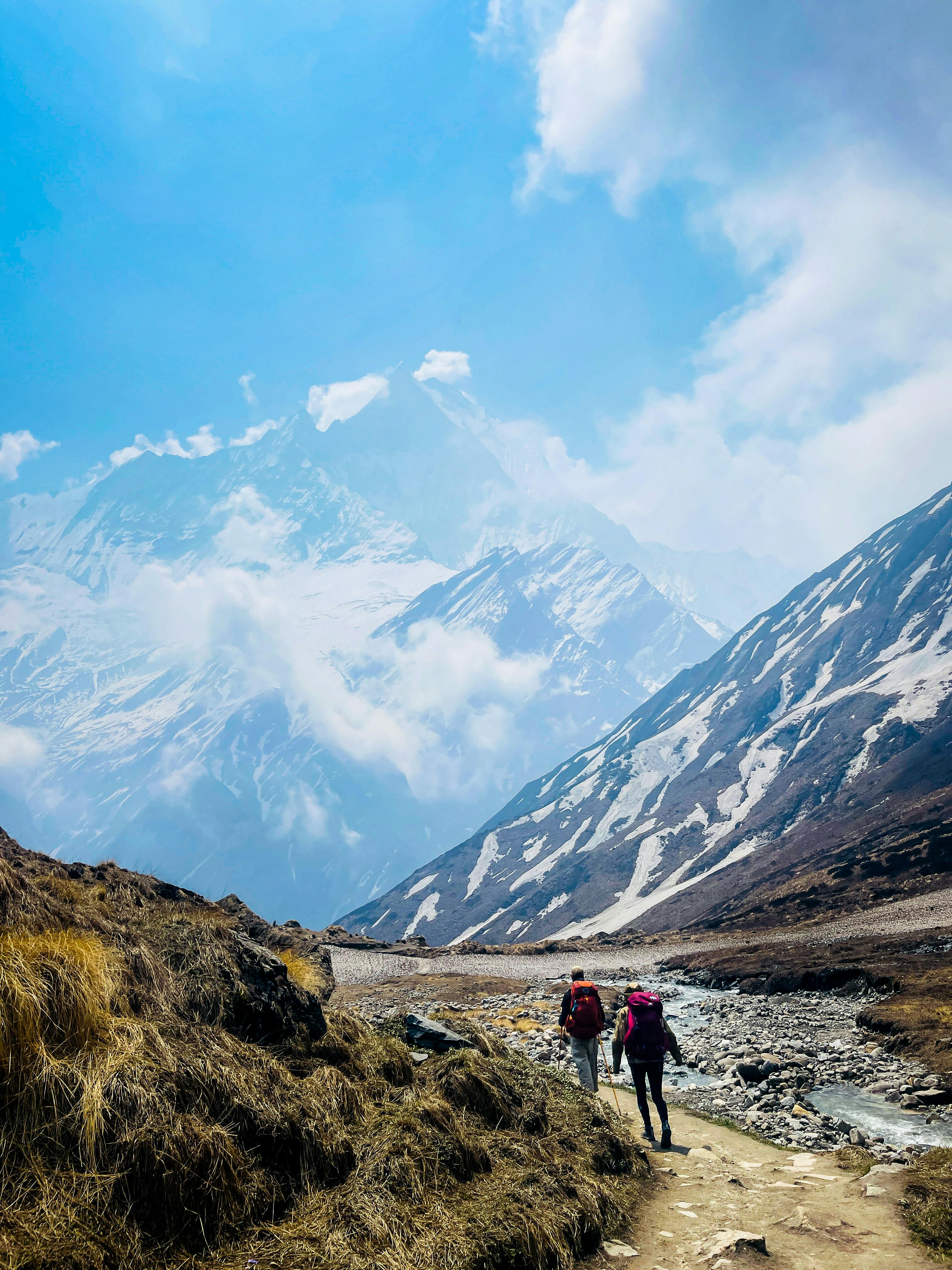
The Mardi Himal Trek via Australian Camp is a short yet rewarding Himalayan journey that blends rich natural beauty, cultural encounters, and dramatic mountain scenery. Starting from the lakeside city of Pokhara, the trek gradually ascends through lush forests of rhododendron, oak, and maple, passing quiet villages and terraced farmlands. The route is less crowded than classic Annapurna trails, making it ideal for trekkers seeking a peaceful and immersive experience.
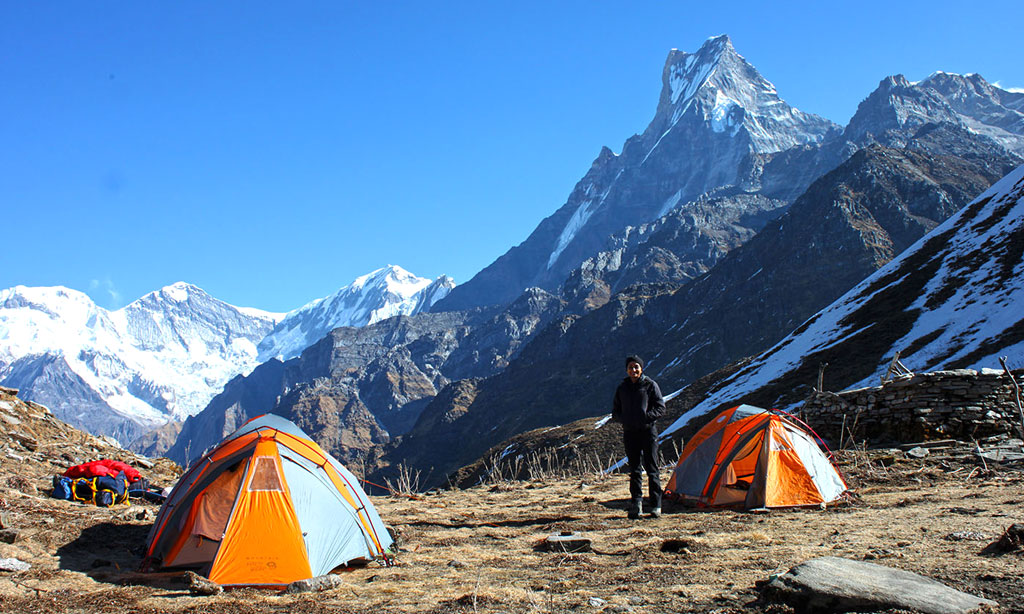
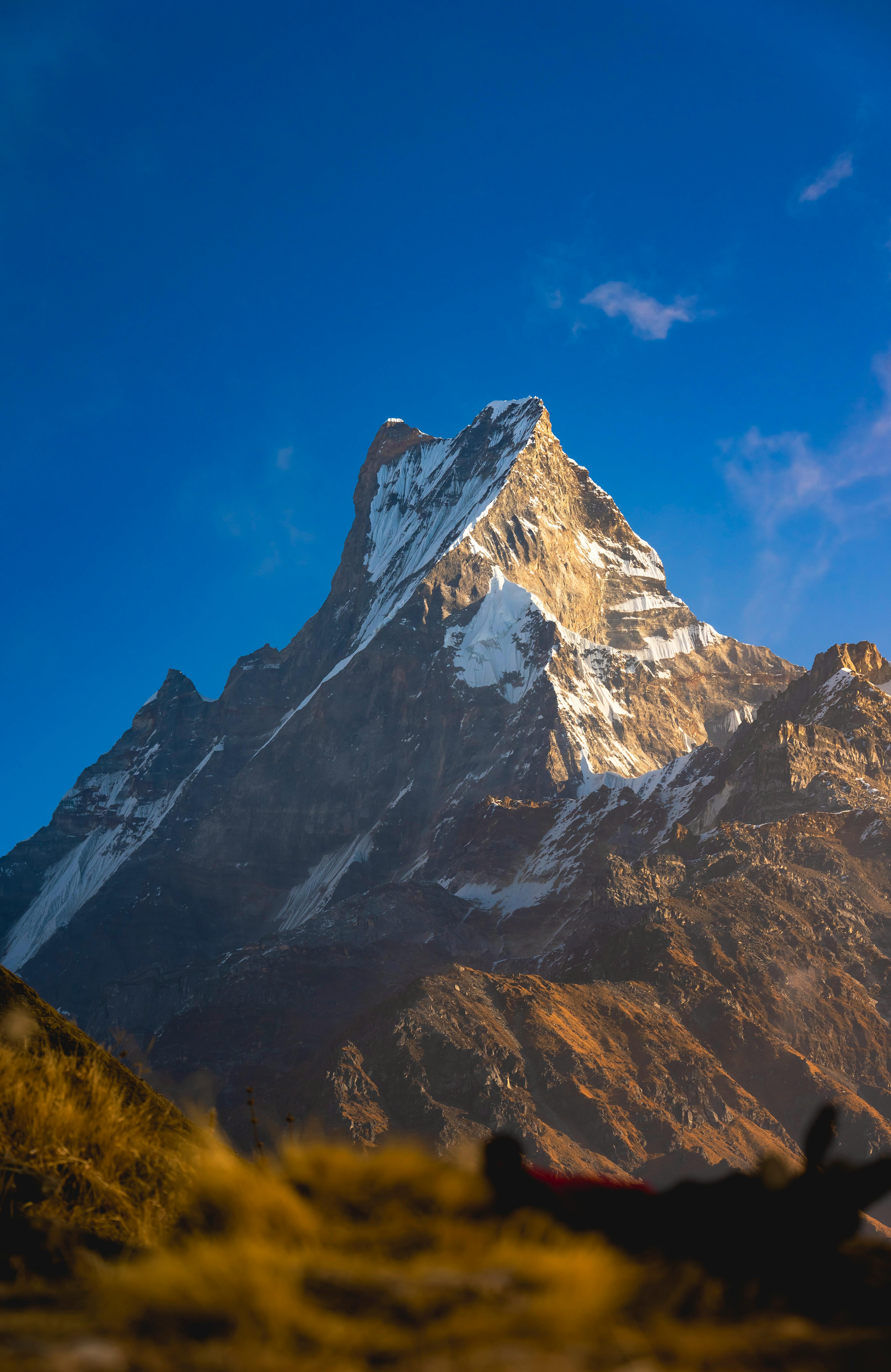
As the trail climbs higher, the landscape transforms from dense woodland to alpine ridges, revealing breathtaking views of Machhapuchhre (Fishtail), Annapurna South, Hiunchuli, and the Mardi Himal range. The highlight of the trek is the ascent to Mardi Himal Base Camp at around 4,500 meters, where trekkers are rewarded with close-up Himalayan panoramas and unforgettable sunrise views. The descent through Siding Village offers a glimpse into traditional Gurung culture before returning to Pokhara. This trek is perfect for both beginner and intermediate trekkers looking for a diverse and scenic adventure in a short timeframe.
 Trip Itinerary
Drive: Pokhara (≈820 m) to Kande (~1,770 m) ≈ 1 hour | Trek: Kande to Australian Camp (~2,270 m) ≈ 3–4 hours
The trek begins with a scenic drive from Pokhara through rolling hills and farmland to Kande. From here, the trail starts climbing gently through a lush mix of rhododendron, oak, and maple forests. You’ll pass small local villages with terraced fields, where friendly locals often wave at trekkers and children may play along the trail. The first glimpses of Annapurna South and Machhapuchhre (Fishtail) can be seen as the trail ascends.
The route gradually becomes more forested, offering a peaceful environment to acclimatize. Australian Camp sits on a ridge and is a perfect spot for sunset over the Annapurna range. Tea houses provide simple meals and warm accommodation, allowing trekkers to rest and enjoy panoramic mountain views while adjusting to the higher altitude. In spring, blooming rhododendrons add vibrant color to the forest trails.
Trek: ~4–5 hours
Today is a gentle uphill trek from Australian Camp to Forest Camp, passing through dense moss-covered forests with occasional flowering rhododendrons. The trail is quieter and more secluded, offering a chance to experience the Himalayan forest environment fully. Small teahouses appear sporadically, providing tea, snacks, and local interactions.
Mountain views improve gradually as you climb. Machhapuchhre and the Mardi Himal ridge come into clearer view through forest gaps. Forest Camp itself is nestled in a peaceful woodland clearing with minimal crowds, providing a perfect spot for rest. Keep an eye out for the national bird of Nepal, the Danphe, as well as other Himalayan birds that inhabit the forest.
Trek: ~3–4 hours
The trail becomes steeper after Forest Camp as you head to Low Camp. Forested slopes gradually give way to alpine meadows and open ridges, revealing expansive vistas of Annapurna South, Hiunchuli, and Machhapuchhre. Trekking here feels more remote, with fewer settlements and a rugged trail that tests your endurance.
Low Camp is a small, ridge-top settlement at ~3,000 m. Tea houses provide basic accommodation, and the evening sunsets from the camp are stunning, casting golden hues over the surrounding peaks. This is also an ideal point to rest and acclimatize before the demanding ascent to Mardi Himal Base Camp the next day.
Trek: Round-trip ≈ 6–7 hours
An early start is essential for the highlight of the trek: Mardi Himal Base Camp. The trail climbs along narrow ridges and open alpine slopes, moving through sparse vegetation and rocky terrain as you approach 4,500 m. The ascent is challenging but highly rewarding.
At Base Camp, trekkers are greeted by panoramic Himalayan views: The Mardi Himal ridge, the south faces of Annapurna massif, Hiunchuli, and Machhapuchhre dominate the skyline. On clear mornings, the sunrise paints the peaks in golden light, and a “sea of clouds” often fills the valleys below. Descending back to Low Camp allows you to rest after this strenuous but unforgettable day. Layered clothing, warm gear, and a headlamp are essential for the pre-dawn start.
Trek: ~4–5 hours
Today begins the descent from Low Camp to Siding Village. The trail gradually moves from alpine terrain back into forested slopes and subalpine zones, offering a refreshing change in vegetation and temperature. You’ll pass through new forest trails, terraced farmland, and scattered settlements.
Siding Village is a traditional Gurung village with stone pathways, rustic tea houses, and a slower pace of life. It’s a wonderful opportunity to observe local culture, interact with villagers, and enjoy the peaceful surroundings after several days in higher altitudes.
Trek: Siding to Lumre ≈ 2–3 hours | Drive: Lumre to Pokhara ≈ 2–3 hours
The final day is a combination of trekking and driving. The walk from Siding to Lumre passes hillside villages, terraced farms, mixed forests, and cultivated fields, giving a glimpse of rural Nepali life. From Lumre, a scenic drive back to Pokhara takes 2–3 hours, descending through valleys, rivers, and populated areas.
Returning to Pokhara, trekkers can relax by the lakeside, enjoy local cuisine, and reflect on the week-long adventure through the Mardi Himal region. The contrast between the high alpine landscapes and lush lowland scenery makes this final day particularly rewarding.
 Trekking Gears And Equipments


 Sweet Memories