

 Package Overview
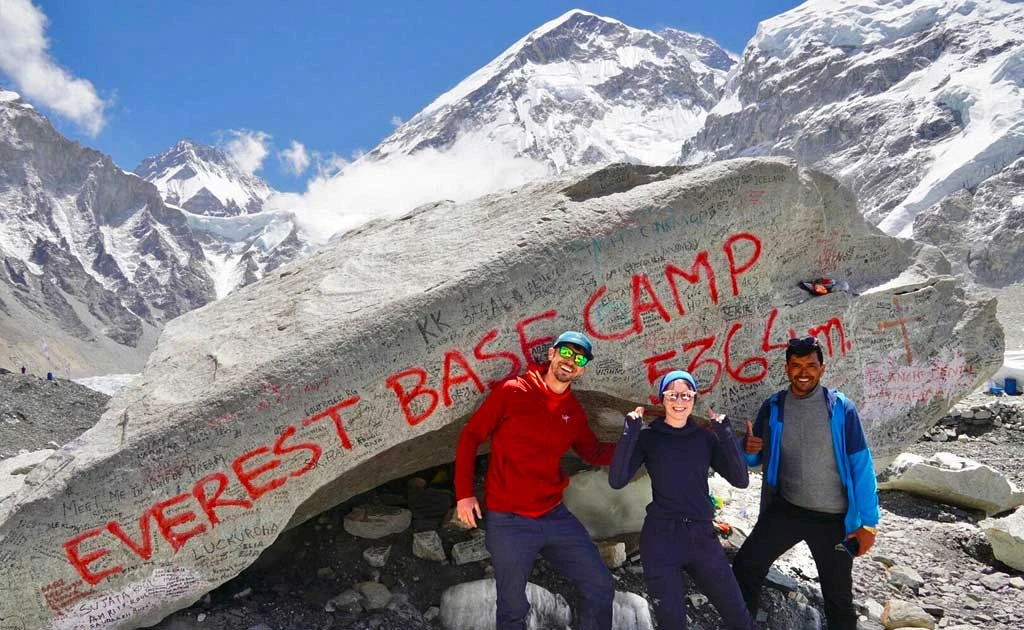
Mount Everest, the crown of the Himalayas, has two iconic base camps — each resting on opposite sides of the world’s tallest mountain.
The South Base Camp, located in Nepal, and the North Base Camp, situated in Tibet, serve as vital starting points for climbers embarking on their ascent and descent of Everest.
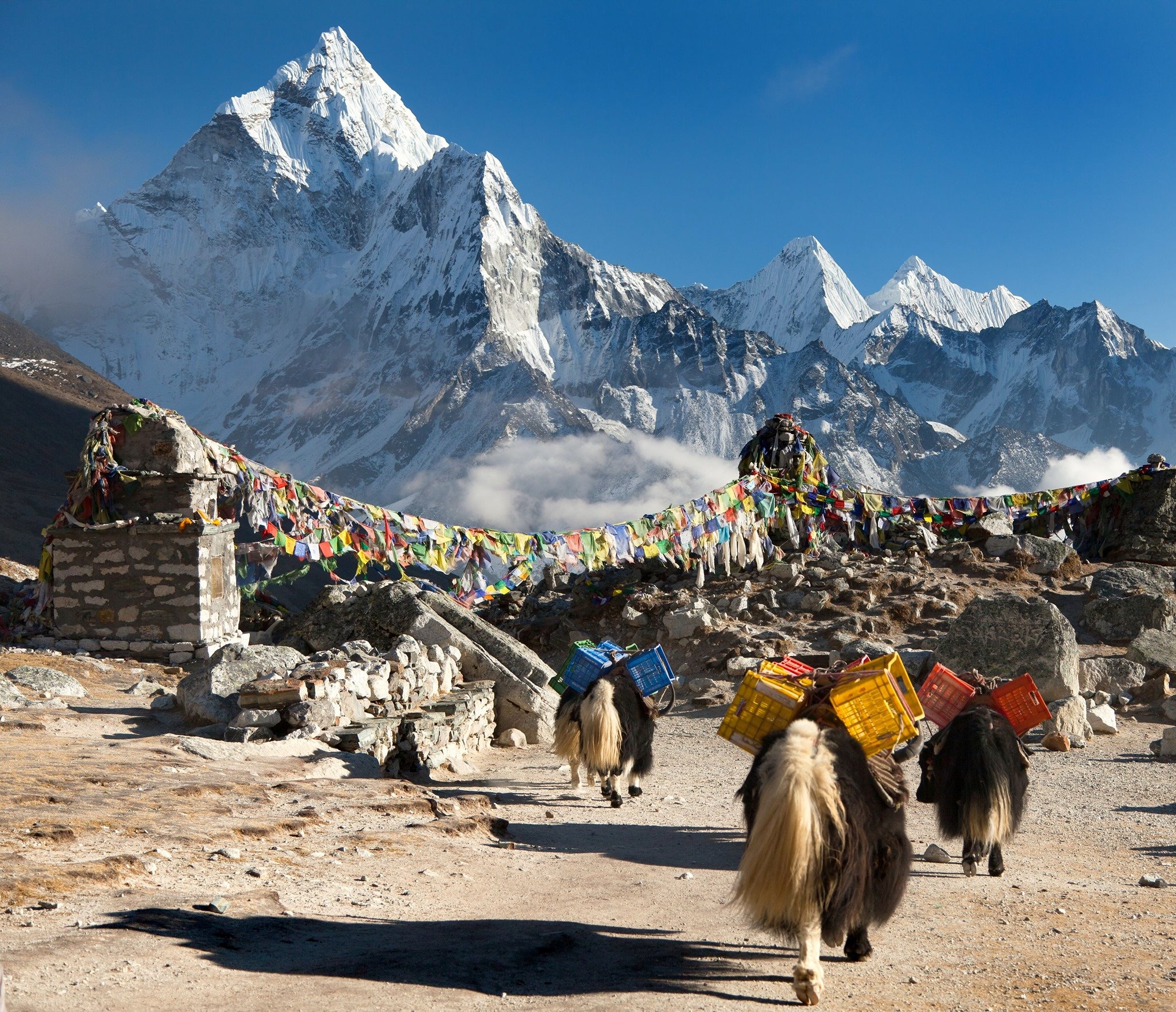
The South Base Camp—used by those following the classic Southeast Ridge Route—comes alive each season as porters and yaks carry essential supplies through the rugged trails. Meanwhile, the North Base Camp in Tibet is accessible by road, offering a contrasting glimpse into Everest’s northern face. It was along this legendary route that Sir Edmund Hillary and Tenzing Norgay Sherpa began their historic 1953 expedition to conquer Everest.
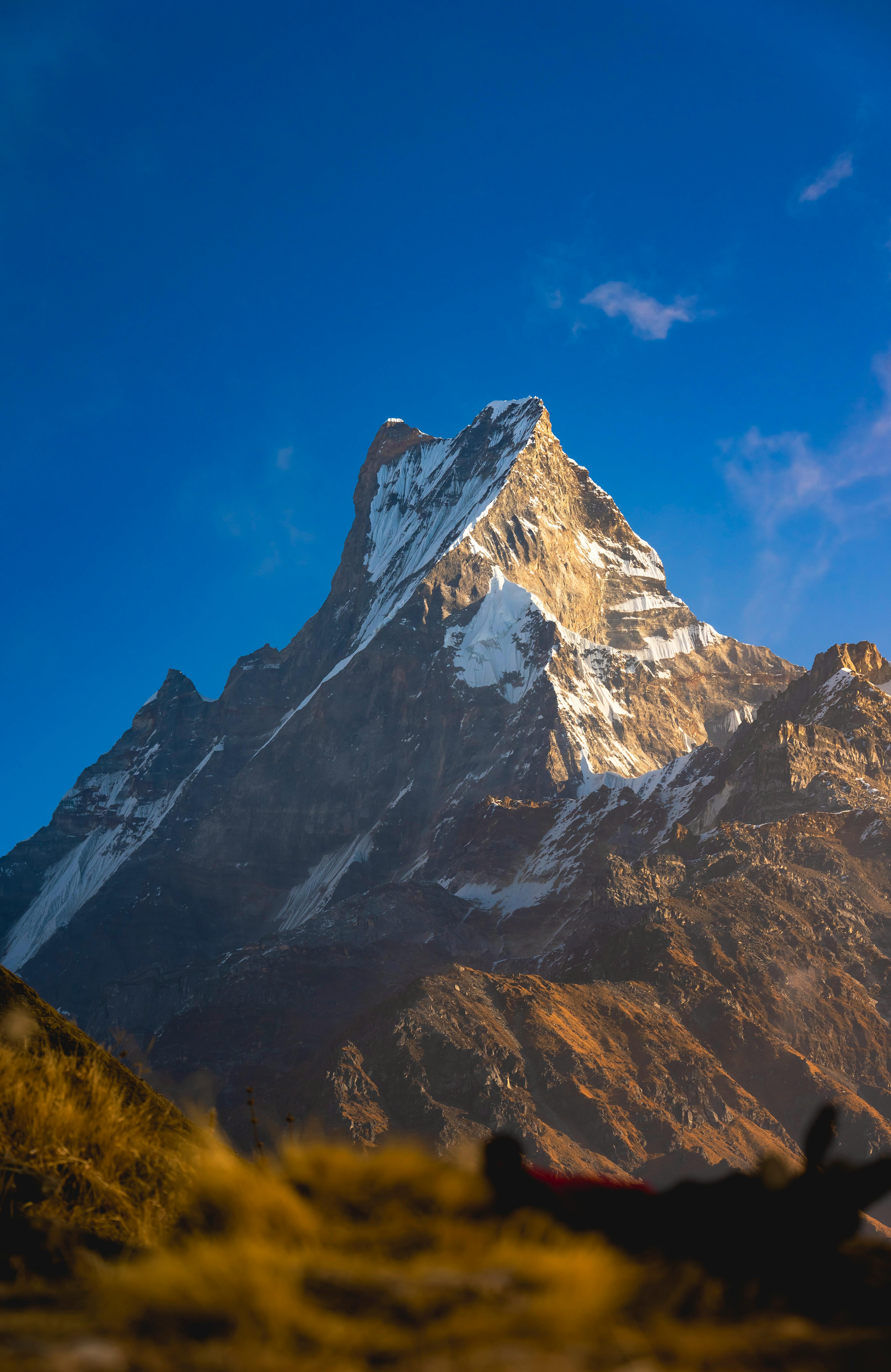
Just above the base camp lies one of the most breathtaking vantage points in the region — Kala Patthar, meaning “black rock” in Nepali. Perched on the south ridge of Pumori, this viewpoint rewards trekkers with the most awe-inspiring panorama of Mount Everest, Nuptse, Changtse, and the summit of Lhotse. Because the peak of Everest isn’t visible from the base camp itself, the short yet steep climb to Kala Patthar is an absolute highlight for every trekker.
 Trip Itinerary
Flight Duration: ~30–40 minutes
Trekking Duration: ~3–4 hours (approx. 8 km / 5 miles)
Accommodation: Simple lodge in Phakding
Your adventure begins early with a transfer to the airport for a thrilling mountain flight to Lukla, often described as one of the most dramatic short flights in the world. Weather permitting, the flight offers breathtaking views of deep valleys, terraced hillsides, and the first glimpses of the Himalayas before landing on Lukla’s iconic sloped runway.
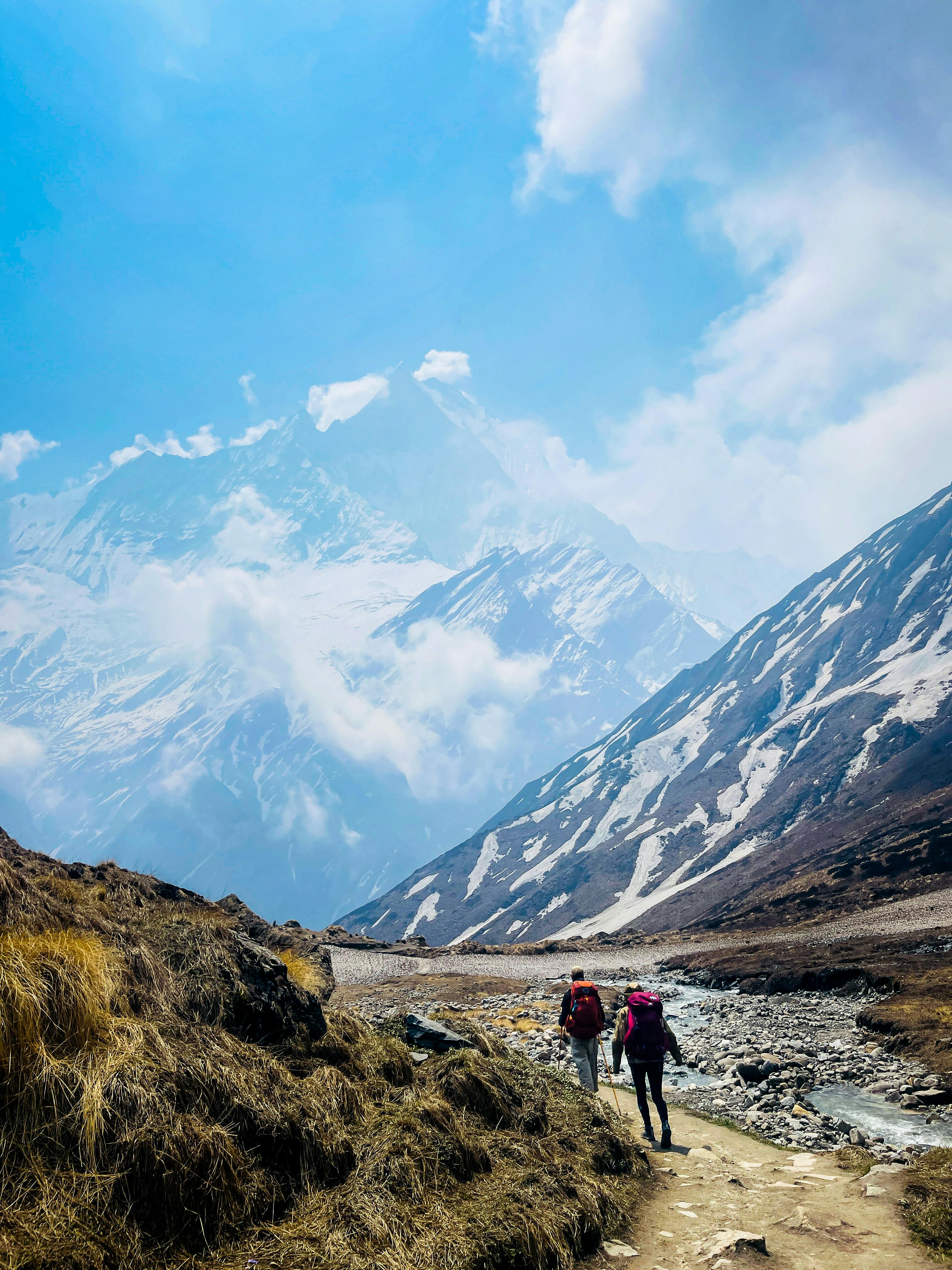
After meeting your trekking guide and porter, you’ll begin your trek with a relatively gentle descent. The trail winds through the small Sherpa village of Chheplung, where traditional stone houses and mani walls welcome you into the Khumbu region. Walking through pine and rhododendron forests, you’ll follow the turquoise waters of the Dudh Koshi River, crossing small bridges and passing spinning prayer wheels, carved mani stones, and fluttering prayer flags.
This first day is designed to be easy and enjoyable, allowing your body to begin adjusting to altitude as you arrive in Phakding, a peaceful riverside village surrounded by forested hills.


Trekking Duration: ~6–7 hours (10–12 km / 6–7.5 miles)
Accommodation: Lodge in Namche Bazaar
Today’s trek is longer and more demanding, but also one of the most exciting days on the trail. You’ll follow the Dudh Koshi River upstream, crossing several high suspension bridges adorned with prayer flags, including the famous Hillary Bridge, which hangs dramatically above the roaring river far below.
At Monjo, you enter Sagarmatha National Park (a UNESCO World Heritage Site), where permits are checked before continuing through dense forests of pine, fir, and rhododendron. The final section of the day is a steep uphill climb that tests your endurance—but rewards you with your first possible views of Mount Everest peeking through the trees, weather permitting.
You’ll arrive in Namche Bazaar, the vibrant heart of the Khumbu region. Built in a natural amphitheater, this Sherpa town is a lively trading center filled with bakeries, cafés, gear shops, and mountain lodges—an unexpected burst of life in the high Himalayas.
Trekking Duration: ~5–6 hours (9 km / 5.5 miles)
Accommodation: Lodge in Tengboche
Leaving Namche, the trail follows a scenic contour path along the mountainside, offering stunning panoramic views of some of the world’s most iconic peaks, including Ama Dablam, Thamserku, Lhotse, and Mount Everest. This stretch is one of the most photographed sections of the trek.
After descending to cross the Imja Khola River, the trail climbs steadily through forested slopes toward Tengboche. As you ascend, Ama Dablam dominates the skyline, rising sharply above the valley.
Tengboche is home to the region’s most important monastery—Tengboche Monastery, the spiritual center of the Khumbu. Set against a dramatic mountain backdrop, the monastery offers a peaceful atmosphere. If open to visitors, attending the evening chanting ceremony provides a memorable insight into Tibetan Buddhist traditions.
Trekking Duration: ~5–6 hours (10 km / 6 miles)
Accommodation: Lodge in Dingboche
The day begins with a descent through rhododendron and juniper forests to Debuche, followed by a river crossing. From here, the trail gradually ascends toward Pangboche, the oldest permanent Sherpa settlement in the region, with ancient stone houses and sweeping views of Ama Dablam.
As you continue higher, the landscape begins to change—trees thin out, and wide alpine valleys open up. You’ll notice stone walls surrounding fields, built to protect crops from cold winds and grazing animals.
Arriving in Dingboche, you’ll find yourself in a striking high-altitude environment surrounded by towering peaks. The air feels thinner, the scenery more dramatic, and the sense of being deep in the Himalayas becomes unmistakable.
Optional Hiking Duration: ~2–3 hours
Accommodation: Lodge in Dingboche
To ensure proper acclimatization, you’ll spend an extra day in Dingboche. A recommended side hike to Nangkartshang Hill helps your body adjust while offering spectacular panoramic views of Makalu, Cho Oyu, Island Peak, and Ama Dablam.
The remainder of the day is free to rest, hydrate, explore items, or simply enjoy the dramatic surroundings. This slower pace is essential for safety and comfort as you prepare for higher elevations.
Trekking Duration: ~5–6 hours (8 km / 5 miles)
Accommodation: Basic lodge in Lobuche
Today’s trek takes you deeper into a rugged, glacial landscape. The trail ascends gradually to Dughla, where you’ll pause before tackling the steep climb up Thukla Pass. Along this ascent, you’ll encounter a series of memorials dedicated to climbers who lost their lives on Everest, a powerful and humbling experience.
From the pass, the route follows the rocky moraine of the Khumbu Glacier, with dramatic views of icy ridges and snow-covered peaks. You’ll arrive in Lobuche, a small, windswept settlement surrounded by stark, high-altitude terrain.
Trekking Duration: ~7–8 hours (12 km / 7.5 miles round trip)
Accommodation: Lodge in Gorak Shep
An exciting and demanding day begins with a trek along the edge of the Khumbu Glacier to Gorak Shep, the last lodge outpost before Everest Base Camp. After a short rest, you’ll continue toward Everest Base Camp itself.
Walking over rocky terrain, you’ll arrive at a surreal landscape of ice pinnacles, boulders, prayer flags, and expedition tents (during climbing seasons). While Everest’s summit is not visible from base camp, standing near the Khumbu Icefall—one of mountaineering’s most dangerous sections—is a powerful and unforgettable achievement.
After celebrating this milestone, you’ll retrace your steps back to Gorak Shep for the night.
Trekking Duration: ~7–8 hours (13 km / 8 miles)
Accommodation: Lodge in Pheriche
Before sunrise, you’ll climb Kalapathar, the highest point of the trek. From the summit, you’ll enjoy unrivaled sunrise views of Mount Everest, along with Lhotse, Nuptse, and Pumori—considered the best viewpoint of Everest accessible without technical climbing.
After descending to Gorak Shep for breakfast, you begin your descent toward Pheriche, where oxygen levels increase and walking becomes more comfortable. The surrounding landscape opens into broad valleys, making this a physically and mentally relieving day.
Trekking Duration: ~6–7 hours (15 km / 9 miles)
Accommodation: Lodge in Namche Bazaar
Continuing downhill, you retrace your steps through Pangboche, Debuche, and Tengboche, enjoying familiar scenery from a new perspective. Forests grow thicker, temperatures rise, and the air feels noticeably richer in oxygen.
Returning to Namche Bazaar, you can enjoy hot showers, bakeries, cafés, and Wi-Fi—simple comforts that feel luxurious after days at high altitude. This evening is ideal for celebrating your successful journey toward Everest.
Trekking Duration: ~6–7 hours (18 km / 11 miles)
Accommodation: Lodge in Lukla
Your final trekking day follows the Dudh Koshi River back through Monjo and Phakding, passing villages, suspension bridges, and forests you encountered at the start of the trek. Though mostly downhill, a few short climbs keep the day engaging.
Arriving back in Lukla, you’ll have time to relax, reflect, and perhaps enjoy a farewell dinner with your guides and porters—celebrating an extraordinary Himalayan achievement.
Flight Duration: ~30–40 minutes
Weather permitting, you’ll take an early morning flight back to Kathmandu, once again enjoying aerial views of the Himalayan landscape. Upon arrival, you’ll be transferred to your hotel, marking the end of an unforgettable Everest Base Camp trekking experience.
 Trekking Gears And Equipments


 Sweet Memories