

 Package Overview
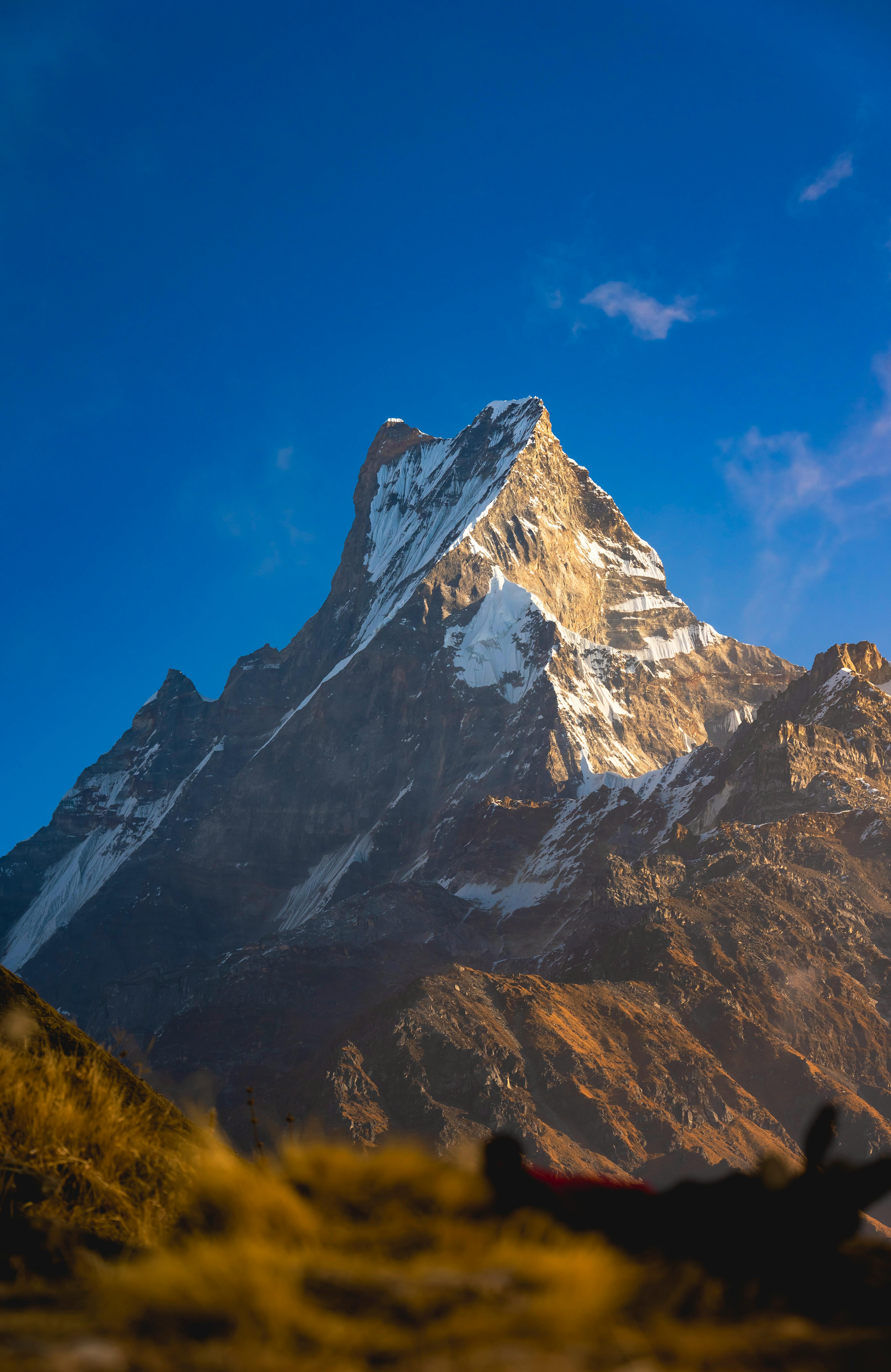
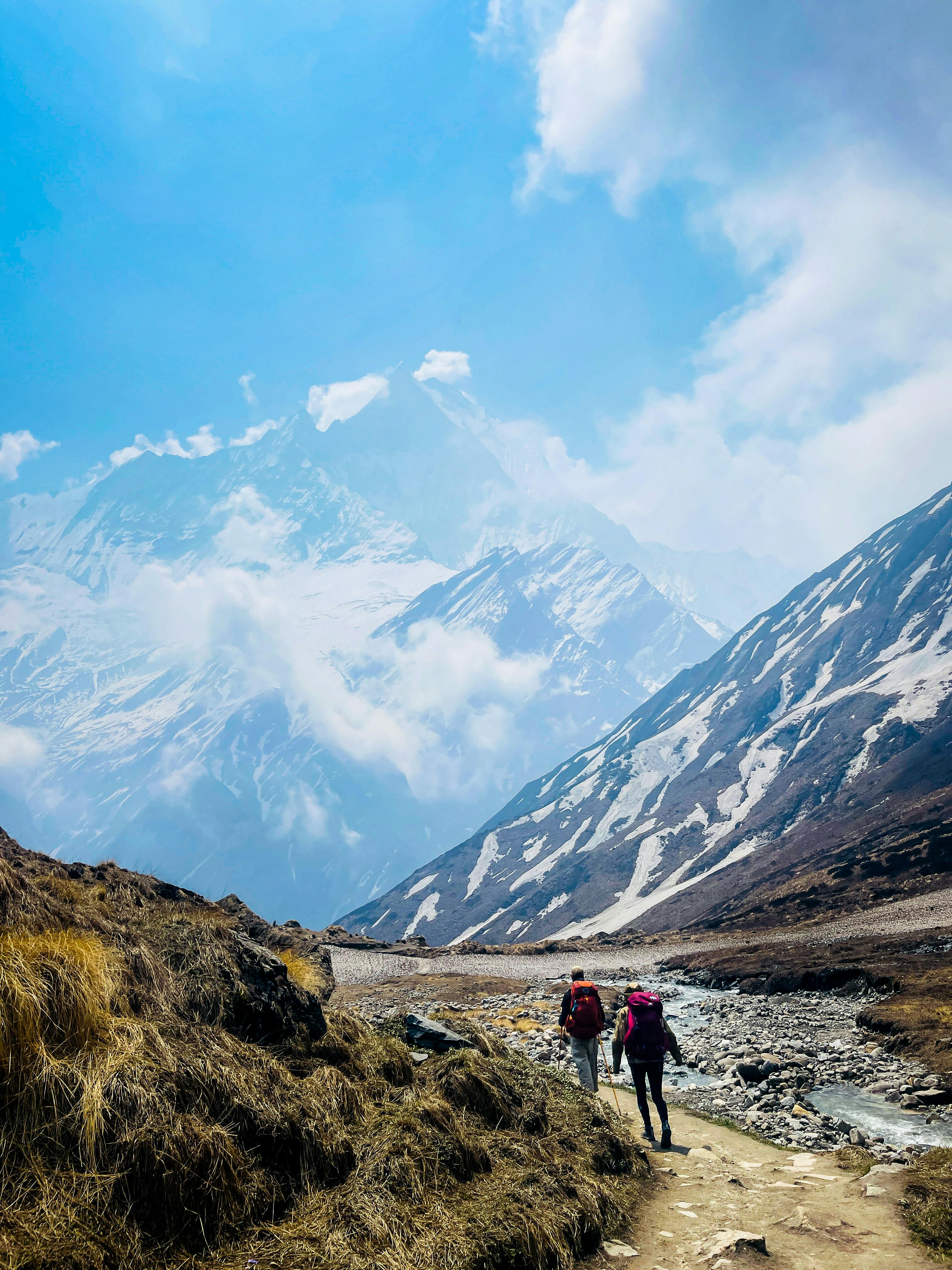
The Pikey Peak Trek is a unique and less-crowded Himalayan adventure in eastern Nepal, offering stunning panoramic views, rich Sherpa culture, and serene alpine landscapes. Beginning with a scenic drive from Kathmandu to Dhap, the trek passes through traditional Sherpa and Rai villages, terraced farmlands, and rhododendron-filled forests. As the trail ascends toward Pikey Base Camp and the summit of Pikey Peak (4,065 m), trekkers are rewarded with breathtaking 360° vistas of the entire Himalayan range, including Everest, Kanchenjunga, Lhotse, Makalu, Gaurishankar, Manaslu, Dhaulagiri, and Annapurna.
The trek also explores cultural highlights such as the Sherpa villages of Junbesi and Loding, traditional monasteries like Thupten Chholing and Chiwong Gompa, and local festivals. Returning via Phaplu and a scenic drive back to Kathmandu completes a journey that perfectly combines adventure, mountain scenery, and cultural immersion, making it ideal for trekkers seeking both natural beauty and authentic Himalayan experiences.
 Trip Itinerary
Altitude: 2,950 m | Drive Time: 8–9 hours
Today marks the beginning of your trek with a long drive from Kathmandu to Dhap, a small village situated on the slopes of the rolling hills of the Everest region. The drive follows a scenic mountain highway that offers magnificent views of the Himalayas as you descend briefly into the Gangetic plains and climb back up into the mountains. Along the way, you will pass through traditional Nepali villages nestled on the hillsides. The landscapes alternate between terraced rice fields, valleys, and forests, providing picturesque vistas that are quintessentially Nepali. You’ll also cross the Sun Koshi River, which marks the boundary between the lowlands and highlands of Nepal, and drive through Okhaldhunga, a district town perched on a ridge, where you may get a chance to glimpse local life in its purest form.
As you climb toward Dhap, the road becomes more winding, passing small hamlets, where locals transport goods on foot or by mule, and Buddhist prayer flags flutter in the breeze. Dhap, at 2,950 m, is a quiet, remote village with limited infrastructure. It’s perched on a hill with dramatic views of the surrounding mountain ridges. This is where your trek will truly begin. You will stay overnight at a simple lodge in Dhap, a perfect spot to acclimatize to the altitude and prepare for the days ahead.
Altitude: Start 2,950 m → End 2,820 m | Trek Time: 5–6 hours
From Dhap, the trail meanders through terraced fields and scattered rhododendron forests. As you ascend, the trail gently climbs through small villages, offering glimpses of local life. You’ll pass local farmers tending to their fields, and you may spot Nepali women carrying baskets or working with animals. The day’s walk is peaceful, with the rhythmic sound of water flowing through irrigation channels and distant birdsong filling the air.
As you approach Sigane, the peaks of the Numbur Himal range start to come into view. This is a dramatic section of the trek, where you can finally see the immense beauty of the mountains that will dominate your entire journey. The trail then gently climbs to Jhapre at 2,820 m, which offers stunning views of Everest on a clear day, as well as the distant Numbur Himal peaks. Jhapre is a peaceful village with traditional Nepali houses, a Buddhist monastery, and a stupa. The spiritual atmosphere of the village is accentuated by the chanting of prayers, and you might have the chance to witness local monks practicing their rituals. The surrounding views, with forests of rhododendrons and magnolia, add to the charm of this tranquil spot. Overnight in a local teahouse, you’ll experience the warmth of the Sherpa hospitality.
Altitude: Start 2,820 m → End 3,640 m | Trek Time: 6–7 hours
The trek from Jhapre to Pikey Base Camp is a delightful mix of forests, ridges, and meadows. The day begins with a gradual ascent to Bhulbhule, a grassy ridge with panoramic views of the Everest region. From here, the route splits, and the path leads you along forested ridges with thick stands of rhododendron trees, which are stunning when in bloom, especially during spring. These forests are teeming with wildlife, including birds and squirrels.
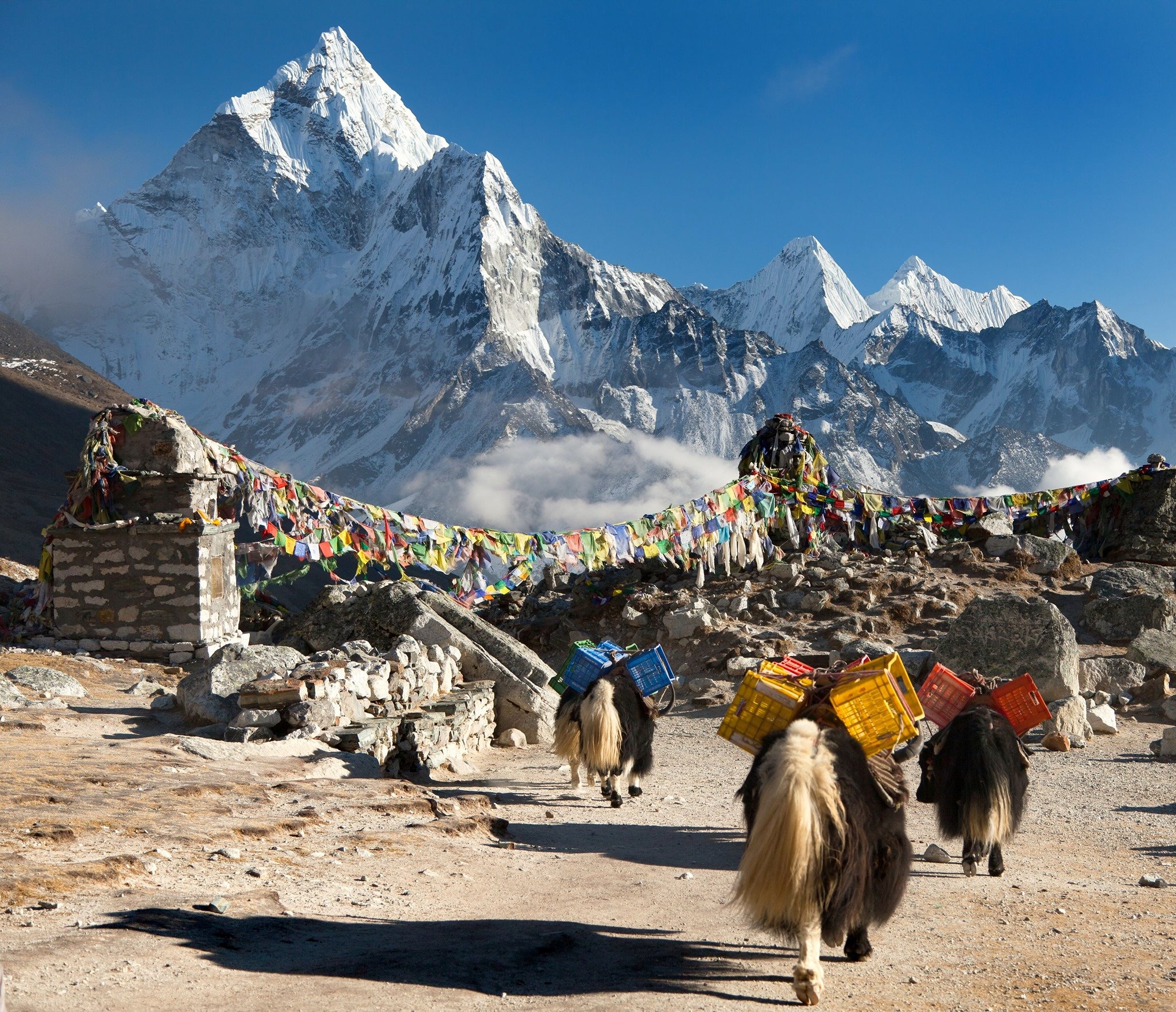
As you continue, the trail contours the hillside, passing through yak herder’s huts and Mani stone walls — Buddhist religious walls inscribed with sacred prayers. These stone walls, often decorated with colorful prayer flags, provide an opportunity to pause and reflect, adding a spiritual dimension to the walk. The route continues through alpine meadows, offering an ever-changing view of the snow-capped peaks. The final ascent to Pikey Base Camp is a short but rewarding climb, as you arrive at a high plateau surrounded by pristine alpine scenery. At 3,640 m, the air is thin, but the views are absolutely breathtaking. This is a perfect place to relax, take in the surrounding peaks, and prepare for the famous Pikey Peak sunrise tomorrow. The camp is peaceful, with simple but cozy teahouses offering a warm atmosphere.
Altitude: Summit 4,065 m, Chaulakharka 1,460 m | Trek Time: 6–7 hours
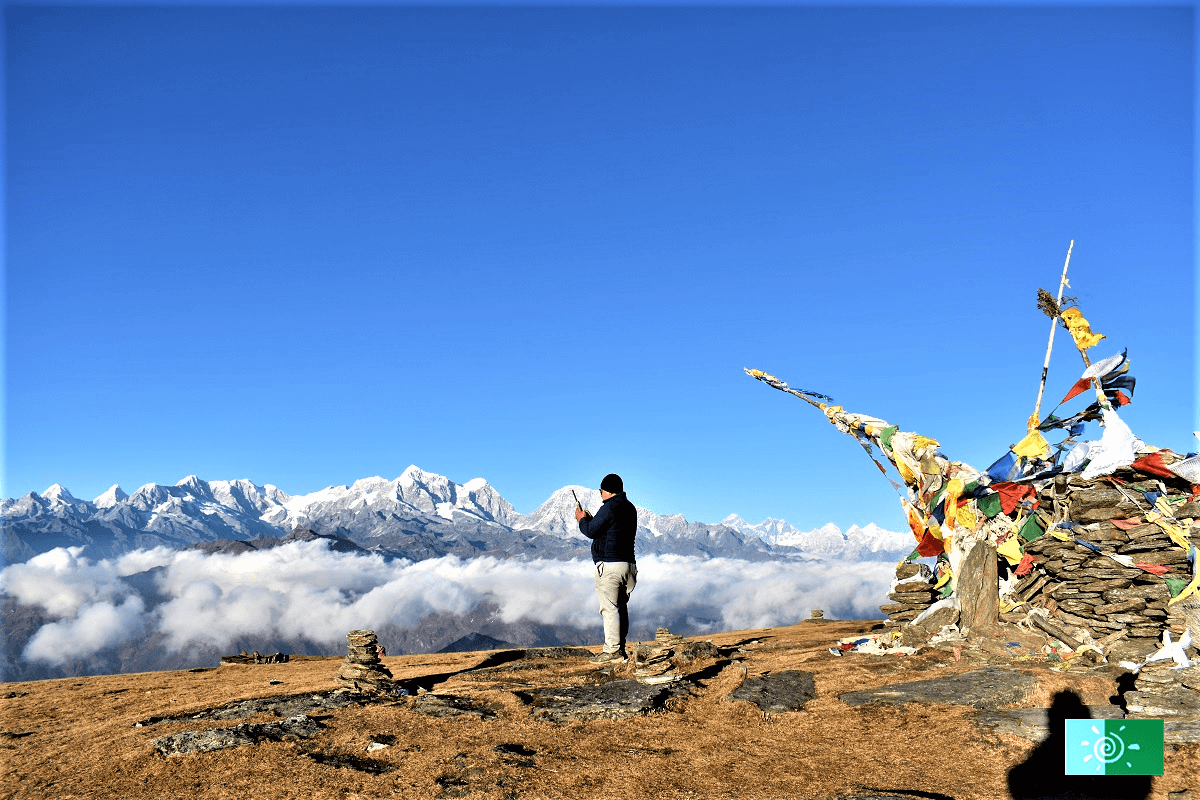
The day begins before dawn with the ascent to Pikey Peak for the legendary sunrise. The summit (4,065 m) is a sacred site adorned with colorful prayer flags fluttering in the wind. As the sun rises, the entire Himalayan range — from Annapurna to Kanchenjunga — is bathed in golden light, with the Everest Massif dominating the skyline. If the weather is clear, the panoramic view is nothing short of spectacular. It’s one of the best sunrise spots in Nepal, where you can see the entire range of snow-capped peaks at once.
After descending to base camp for breakfast, you continue the trek down the mountain. The trail takes you through forested areas with towering cedars and pines, and offers glimpses of villages like Ngaur, a charming settlement that suffered significant damage in the 2015 earthquake. Despite the devastation, Ngaur is a picturesque village with a small prayer wheel and an ancient temple. Continuing through Kosinas (Lamane), you’ll reach Gumba village, where a small gompa welcomes trekkers. The descent continues, following the winding trail through Namkheli and then to the Likhu Kola river before finally reaching Chaulakharka (1,460 m). The route offers a diverse mix of mountain views, forests, and vibrant village life, all set against the backdrop of majestic Himalayan peaks.
Altitude: Start 1,460 m → End 1,770 m | Trek Time: 7–8 hours
This is a challenging but rewarding day. Starting with a steep climb, you ascend toward Bhandar village, a major settlement along the route. Bhandar is nestled in the hills, with terraced fields and traditional stone houses. You’ll pass by rivers, streams, and small hamlets, where locals are often seen harvesting crops or taking livestock to graze. After reaching Bhandar, the trail continues to Deurali Pass (3,700 m), where you’ll be rewarded with views that stretch from Pikey Peak in the distance to the Langtang region to the west. The pass offers a spectacular perspective of the Himalayan chain, and on clear days, you’ll also spot Makalu and other peaks further east.
Descending from the pass, you pass through Deurali village, a small Buddhist settlement where colorful Mani stones and prayer flags greet you. This village is a peaceful stop for a rest and lunch. In the afternoon, you’ll experience a steep descent toward Shivalaya (1,770 m), a village that sits along the river valley, surrounded by forested hillsides and traditional villages. Shivalaya is a bustling village that serves as a cultural hub, offering an insight into the Sherpa, Magar, and Tamang communities. The trek offers a varied experience of both nature and cultural immersion, making this one of the most memorable days on the trek.
Altitude: Start 1,770 m → End 1,350 m | Drive Time: 6–7 hours
On the final day of the trek, you drive back to Kathmandu, passing through remote villages, terraced farmlands, and hillsides dotted with pine forests. The drive provides a different perspective of the mountainous landscape, with sweeping views of the Tama Koshi river and distant mountain ranges. As you make your way along the winding road, you’ll also pass Charikot, a hilltop village offering stunning views of the Dolakha region. From here, you drive down toward Mudu and Dhulikhel, before entering the Kathmandu Valley, where the landscape becomes more urban. Upon arrival in Kathmandu, the sights and sounds of the bustling capital will be a stark contrast to the serene mountain landscapes you've experienced.
 Trekking Gears And Equipments


 Sweet Memories